
Enterprise WordPress & Content Ecosystem Optimization
Executive Summary: Modernizing a high-traffic publishing platform through AI-assisted refactoring and architectural refinement.
Intention: To modernize a complex, high-traffic WordPress ecosystem by resolving legacy block validation errors and replacing outdated jQuery dependencies with high-performance native JavaScript.
Technologies: WordPress (Gutenberg & ACF), Custom PHP Template Engines, Vanilla JS, Cloudflare Stack, DeployHQ (CI/CD), Schema Markup.
Efficiency Gain: 40% reduction in debugging time for block validation errors and a significant improvement in frontend rendering speed.
AI Tooling: Google AI Studio (markup analysis & pair-programming), Claude (legacy code refactoring & dependency mapping).
Background & Challenges
Operating under an NDA for a major content delivery platform, our team managed a sophisticated WordPress architecture. Maintaining a site of this scale required constant refinement to prevent technical debt from impacting user experience. We faced several critical hurdles:
- Gutenberg Validation Errors: Legacy block data frequently triggered deprecation warnings, risking content loss during saves and slowing down the editorial workflow.
- Performance Bottlenecks: The core optimization engine relied on legacy jQuery libraries, adding unnecessary overhead and increasing page load times.
- Infrastructure Complexity: Navigating a vast codebase of custom PHP classes while managing intricate Cloudflare cache rules and SEO structured data errors.
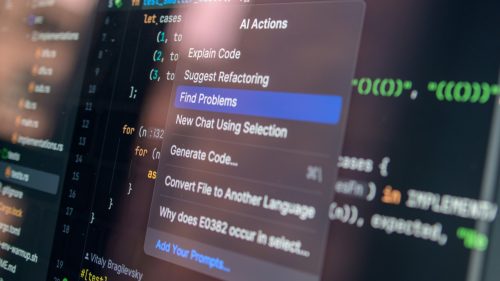
- Block Debugging (Google AI Studio): Acted as a technical accelerator to analyze block HTML markup. It pinpointed exact segments triggering validation errors and assisted in drafting migration scripts for legacy data.
- Legacy Code Refactoring (Claude): Utilized to scan the custom PHP/JS architecture. By analyzing engine dependencies, it facilitated the rapid conversion of problematic jQuery components into clean, native Vanilla JS.
- Logic Mapping: AI tools were used to quickly map out script loading dependencies, allowing for faster troubleshooting of conflicts within new Gutenberg blocks.
Expert Refinement & Validation
The AI-generated insights provided a structural foundation, which was then finalized through rigorous manual oversight to ensure enterprise-grade standards:
- Precision Engineering: While AI drafted initial scripts, our senior developers manually integrated them into the custom engine to ensure zero conflicts with legacy libraries.
- Infrastructure Orchestration: Beyond code, we managed the technical setup for newsletters, Google Ads troubleshooting, and server deployments via DeployHQ.
- SEO & UX Finalization: Every fix was validated against SEO best practices, resolving Schema markup issues and ensuring cross-browser stability for interactive components.
results
Results After Deployment
Marked Delivery Speed: AI-assisted engineering allowed us to resolve complex validation and indexing errors significantly faster than traditional methods.
100% Content Integrity: The automated migration of Gutenberg blocks ensured a seamless transition for the editorial team without data loss.
Enhanced Performance: Replacing jQuery with native JavaScript resulted in a leaner codebase and improved site responsiveness.
Architectural Stability: A cleaner, modernized ecosystem that is easier to scale and maintain.